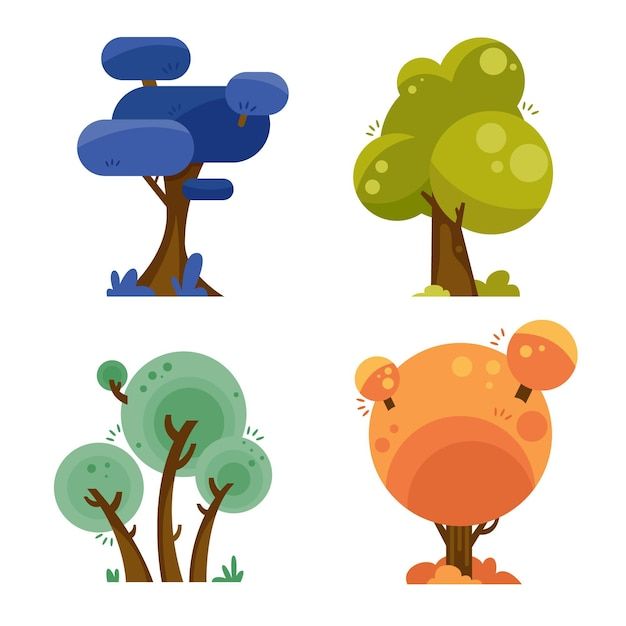

In the world of education that continues to develop, many changes and adjustments are needed to improve the quality of student learning both academically and non-academicly. Achieving good learning outcomes requires many factors that influence the quality of student learning, one of which is an attractive learning environment. In creating an attractive learning environment, an institution can attract students' motivation and interest in learning by choosing colors around the students' learning environment. According to Ignyte Brands, color psychology is a branch of science that studies color as a factor that can influence human behavior.
Color influences a human's psychology. Dr. Robert S. Feldman is a social psychologist and famous writer in the field of psychology. It firmly states that colors can influence human emotions, feelings, and behavior. In his book entitled "Understanding Psychology," Dr. Feldman said that the wise use of color in classroom settings, learning media, and teaching materials can help students feel more involved in the learning process and more easily understand the concepts being taught. Scientists in the field of color psychology have spent years studying the relationship between color, attention, memory performance, and psychological effects.
Scientists in the field of color psychology have explored various colors and their effects on students' emotions, behavior, focus, and information retention for optimal educational growth. Here are 6 colors that can enhance the learning environment. (1) Red. Red is the color of fire and love, so it is associated with energy, danger, strength, determination passion, and desire. Because it can provoke strong emotions, it should be used wisely in learning environments. Paired with cool colors, red will be the best energizer. Warm colors such as red, orange, and yellow have been known to be the preferred colors for retaining students' attention and stimulating their active participation. Red is a stimulant to encourages creativity, generates discussion, improves performance or concentration, inspires, and increases alertness. Red can increase human metabolism, improve breathing, and raise blood pressure. When red is used in learning media, it can help increase student concentration and motivation. Teachers can use this color to highlight important text or main points in learning material.

Sumber: Artcobell. (2025). Color Psychology for Education. https://www.artcobell.com/en-us/blog/color-psychology-for-education
(2) Blue. According to research conducted by The University of British Columbia, which analyzed the effects of blue and red on 600 people between 2007-2008, red was considered the most effective in increasing students' attention to detail, while blue was best in improving creative thinking abilities. Based on this research, and other research, we know that red and blue are effective colors for improving a student's learning environment. Blue is generally associated with the ocean and sky and emphasizes its calming, cool, and calm nature. Blue has been known to help regulate heart rate and breathing. Blue increases productivity improves cognitive abilities, broadens perspective, lowers blood pressure and pulse rate, relieves stress, promotes higher-order thinking, relaxes, and calms the mind. Using blue for backgrounds or learning media design elements can help students feel comfortable and relaxed while studying.

Sumber: Artcobell. (2025). Color Psychology for Education. https://www.artcobell.com/en-us/blog/color-psychology-for-education
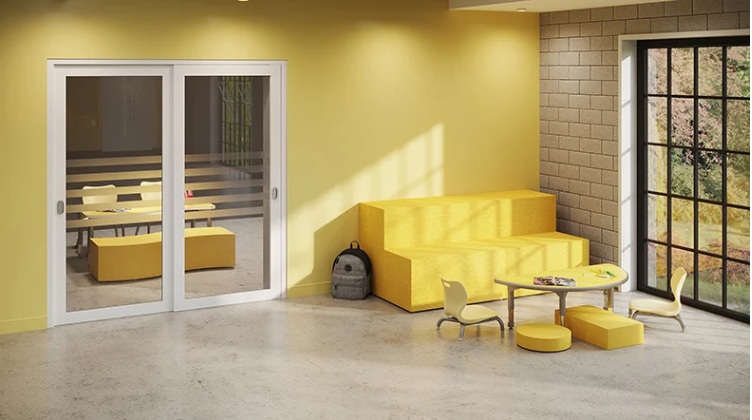
(3) Yellow. Color psychology is the study of how certain colors impact human behavior, as opposed to color theory. Both are important to understand when determining how to use them effectively in modern learning environments. Yellow is believed to be the color most easily seen by the human eye. Yellow can improve mood but can also be overpowering and eye-straining if used excessively. Yellow is generally associated with the sun which symbolizes positive vibrations such as happiness, warmth, and sunshine. Yellow is a stimulant to attracts students' attention, builds emotional energy, encourages communication, and builds the nervous system. Someone surrounded by yellow generally feels optimistic because the brain releases more serotonin when surrounded by this cheerful color
Sumber: Artcobell. (2025). Color Psychology for Education. https://www.artcobell.com/en-us/blog/color-psychology-for-education
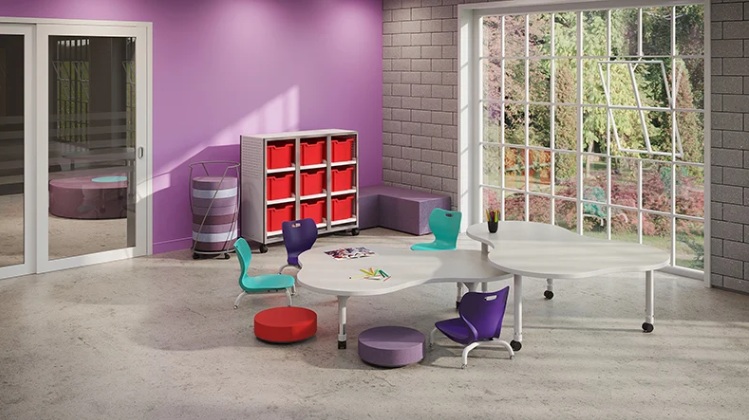
(4) Purple. Purple is a beautiful blend of red and blue: warm and cool combines the strength and energy of red and the sadness and calm of blue. Shades of purple symbolize originality, brilliance, and visionary thinking. Such 'purple' qualities are essential to creativity. Prince's Purple Rain, and the 1982 Pulitzer Prize-winning novel, The Color Purple, by Alice Walker. A few months ago, purple was recognized as the color of the elite. It symbolizes status, power, and wealth. Purple's elite status stems from the rarity and cost of the dye originally used to produce it. Purple is a stimulant to encourage creativity and awaken the imagination. Purple goes well with warm neutral colors like brown.
Sumber: Artcobell. (2025). Color Psychology for Education. https://www.artcobell.com/en-us/blog/color-psychology-for-education
(5) Orange. Like yellow and red: orange attracts attention. It radiates warmth and happiness, combining the strength and power of red with the positivity of yellow. Often associated with fire, sun, and autumn leaves, the color orange is a surefire way to bring joy and energy. In the past, schools were built to meet basic functional and financial needs. Boring colors like beige, gray, and navy blue dominate most learning environments, and design is barely a consideration. Today, modern educational institutions are increasingly committed to designing spaces with purpose. Learning strategies, teaching strategies, color, layout, nature, and lighting, among others, are all considered when designing a space to enhance the educational experience of teachers and students through thoughtful aesthetic choices. Orange has stimulants such as happiness, joy, enthusiasm, passion, warmth, increases self-confidence.

Sumber: Artcobell. (2025). Color Psychology for Education. https://www.artcobell.com/en-us/blog/color-psychology-for-education
(6) Green. Green is all around us. It is a
color that has long been associated with nature, calm, and peace and is
arguably the most important color that students should have access to in their
learning environment. Exposure to live plants and the color green has a
positive impact on creative visual and verbal thinking in the classroom. There
are hundreds of studies supporting the idea that experiences with nature
enhance academic learning and improve children's psychological and physical
well-being. Other beneficial colors that reflect nature are yellow, which
reminds us of warmth, sunshine, and happiness, and blue, symbolizing sky and
water, which can lower blood pressure and relieve stress, allowing for maximum
focus and awareness. The meaning of green can vary according to the color. For
example, bright green symbolizes rebirth and spring, while olive green
symbolizes worldliness and tranquility. In a study of high schools, Matsuoka
found that the amount of green space visible from cafeterias and classroom
windows was positively related to test scores, graduation rates, and the
percentage of students planning to pursue postsecondary education. The correct
use of color in a learning environment can increase concentration, motivate
students, create an appropriate atmosphere, facilitate understanding of
concepts, and stimulate creativity. In the world of education that continues to
develop, utilizing the potential of color is a wise step to achieve better
educational goals. So, let's take advantage of this understanding of color
psychology and create a more engaging, inspiring, and effective learning
experience for our students. In a world that continues to change and develop, innovative
learning methods are the key to preparing the next generation who are
knowledgeable and passionate about learning.

Sumber: Artcobell. (2025). Color Psychology for Education. https://www.artcobell.com/en-us/blog/color-psychology-for-education
Referensi:
Glints. (2023). Psikologi Warna: Apa Itu, Manfaat, Jenis dan Makna Warna, serta Cara Memilihnya. Diakses dari https://glints.com/id/lowongan/psikologi-warna/ — artikel membahas definisi psikologi warna sebagai cabang studi yang mempelajari pengaruh warna terhadap perilaku dan emosi manusia, jenis makna warna, serta penggunaannya dalam konteks desain dan branding.
Sagita Krissandi, A. D. (tgl tidak tersedia). Menghidupkan Pembelajaran dengan Warna. Jakarta Times. Diakses dari https://jakarta.times.co.id/news/kopi-times/b7p4kmzi49/Menghidupkan-Pembelajaran-dengan-Warna — artikel opini yang menjelaskan bagaimana guru dapat menggunakan psikologi warna dalam materi pembelajaran untuk meningkatkan minat belajar, konsentrasi, motivasi, dan kreativitas siswa melalui pemilihan warna yang tepat.
Artcobell. (2025). Color Psychology for Education: How Does Color Enhance the Learning Environment? Diakses dari https://www.artcobell.com/en-us/blog/color-psychology-for-education — membahas dampak berbagai warna (seperti merah, biru, kuning, ungu, oranye, hijau) terhadap emosi, konsentrasi, kreativitas, dan motivasi siswa saat diterapkan di ruang belajar.